
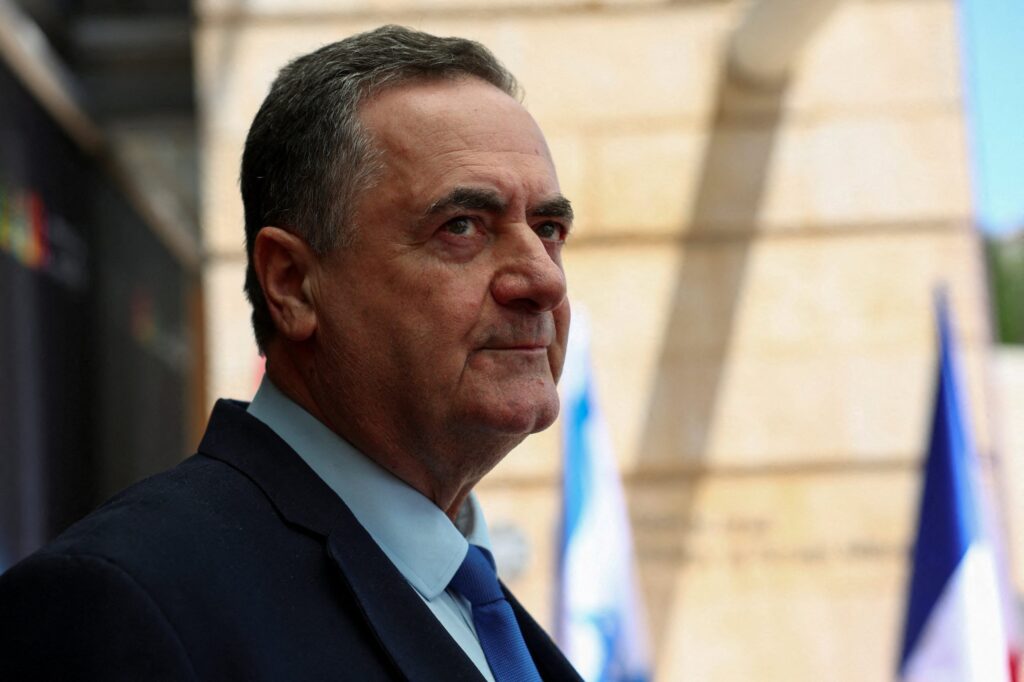
On Monday, 29 June 2026, Israeli Defense Minister Israel Katz said Iran’s supreme leader, Mojtaba Khamenei, was “marked for death.” Israel’s Ynet news agency carried the remark, and the Wall Street Journal later cited that report.
The timing mattered. Mojtaba had taken over from his father, Ayatollah Ali Khamenei, who was killed in airstrikes on the first day of the war, 28 February. Funeral processions for the elder Khamenei were due to begin in Tehran on 4 July and end on 9 July with burial in his hometown of Mashhad, with further ceremonies in Qom and Iraq.
Tehran’s answer
Foreign Minister Abbas Araghchi replied on Wednesday. Tehran, he said, would deliver an immediate and powerful response to any threat against its people or leadership. In a post on X he accused the United States of being responsible for keeping Israel in check under the terms of a 14-point memorandum of understanding that helped end recent hostilities.
The military followed on Thursday. Ali Abdollahi, commander of the Khatam al-Anbiya Central Headquarters, told “the enemies of Iran, especially the US and the Zionist regime” to avoid “any miscalculation” and to consider the “harsh retaliation” Iran’s armed forces would make. His statement also complained about US manned and unmanned aircraft flying over the Strait of Hormuz. The Revolutionary Guard Corps said any misstep would meet a more decisive response than ever before.
A capital on alert
Iran announced temporary airspace restrictions over several cities, Tehran and Mashhad among them, and the head of its Civil Aviation Organization confirmed them on Wednesday. Reuters video showed security forces patrolling the streets of the capital. The Wall Street Journal reported that a strike on the crowds could cause mass casualties and that senior figures appearing in public faced a heightened risk of assassination. Whether the funeral would be Mojtaba Khamenei’s first public appearance since the death of his father and other relatives was unclear.
Foreign guests were still coming. Pakistan said Prime Minister Shehbaz Sharif would attend. Trump said Washington had given Iran “a week off” for the funeral and was “being nice.”
Talks on pause
RT reported that indirect US-Iran talks had been put on hold until after the burial. The latest round in Doha, held that week, dealt with shipping through the Strait of Hormuz and the release of frozen Iranian funds, with no sign of major progress. In June, Washington and Tehran had agreed a framework aimed at reopening the strait and setting the outline for follow-up talks on the nuclear program, sanctions relief and frozen assets. Israel opposed it, arguing that it fell short of its war aims, which include regime change in Tehran.
Israel had made targeted killings a central part of its strategy from the first day. RT listed Ali Larijani, Iran’s top national security official, and Kamal Kharazi, a former foreign minister, among the figures it killed later, people Washington had hoped to negotiate with.
Sources
- Iran warns US, Israel against 'any miscalculation' ahead of Khamenei's funeral
- Khamenei Funeral Draws Massive Crowds Amid Attack Fears (Wall Street Journal, via tovima.com)
- Iran warns US and 'Zionist regime' against attacks on Khamenei funeral (RT)




